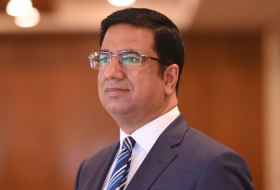
"One in five people in emergencies lives with a mental health condition, yet mental health support is still treated, in too many responses, as optional," Fahmy Hanna, WHO's technical officer for mental health, said during a UN press briefing in Geneva.
Hanna said progress has been made, with coordination mechanisms now active in 71% of emergencies compared to less than half in 2019. Still, service quality and coverage "fall short," he stressed.
He warned that country requests for psychotropic medicines dropped by 94% in early 2025 due to funding cuts, leaving millions without support.
"When humanitarian funding disappears, the impact is immediate and immense," Hanna said, calling on governments, donors, and responders to integrate and invest in mental health care across preparedness, response, and recovery.
AzVision.az
More about: WHO



-1780923278.jpg&h=190&w=280&zc=1&q=100)