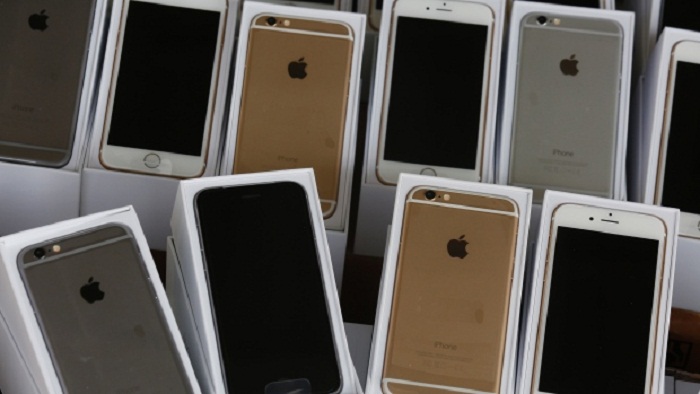
In a copy of the brief provided by the company, Apple argued that the government`s request is "unprecedented" and violates the company`s First Amendment rights.
"The government’s request here creates an unprecedented
burden on Apple and violates Apple’s First Amendment rights against compelled speech," it said.
Apple`s resistance has sparked a national debate about whether the government should have technological access, or a "back door" to get into privately owned phones.
In its filing on Thursday, Apple raised the specter of courts ordering it to help in other cases in other ways, such as writing computer code that would turn on an iPhone microphone to help surveillance.
"This case is not a case about one isolated iPhone," Apple said in the filing, reiterating previous comments.
Government officials have rejected that characterization and earlier on Thursday, FBI Director James Comey told a congressional panel that court approval of the FBI`s request was "unlikely to be a trailblazer" in other cases.
While the case "will be instructive for other courts," larger policy questions about reasonable law enforcement access to encrypted data will likely need to be resolved by Congress and others, Comey said.
Shares of Apple were barely changed, up 0.4 percent and trading at $96.52 late in the session.
More about:


-1780923278.jpg&h=190&w=280&zc=1&q=100)