The government of South Sudan denies allegations from the UN and Amnesty International calling them baseless. South Sudanese presidential spokesman Ateny Wek Ateny said the incidents happened in an area which is controlled by the militias. He further added that most rebel groups wear the same uniform as the government army and those might have been the ones who killed civilians in an attempt to polarize the government. "We take seriously these allegations as a responsible government," Ateny Wek Ateny told DW. "We have launched an investigation. Should the finding point fingers to any individuals or groups, the government will put to account those responsible," he added.
Calls for international justice
A peace agreement to end the civil war was signed in August 2015. However, the parties to the conflict have yet to form a government of unity as prescribed under the deal. Separately, Amnesty International is calling on the Africa Union to set up the criminal court provided for under the August 2015 peace agreement. The rights group said it was concerned that there haven`t been any serious investigations yet to identify the perpetrators of atrocities.
Friday`s UN report recommends that the UN Security Council considers expanding sanctions already in place by imposing a "comprehensive arms embargo" on South Sudan and refer matters to the International Criminal Court if other judicial avenues fail.
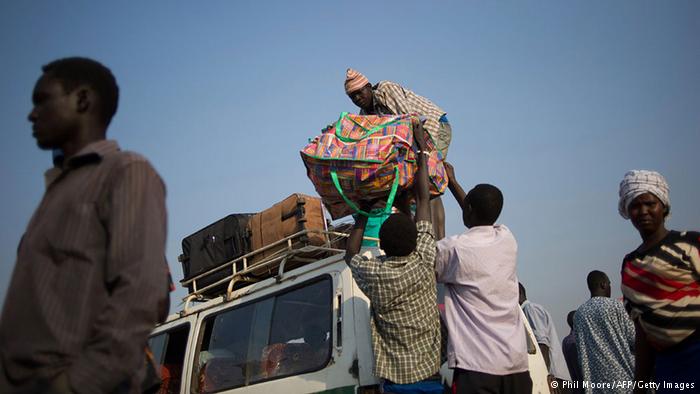
The UN says the human rights situation has "dramatically deteriorated" since South Sudan erupted into civil war in December 2013. The crisis stemmed from serious differences between President Salva Kiir and his deputy, Riek Machar, which boiled over into an armed rebellion.
Tens of thousands have died and at least 2 million people have been displaced from their homes. Machar has been reinstated as vice president part of a peace deal signed in August, but sporadic fighting and extra-judicial killings persist.
South Sudan`s rebel leader Riek Machar has told DW last month that he was looking forward to returning to the capital Juba, in a final step towards implementing last year`s peace agreement. However, South Sudanese presidential spokesman Ateny Wek Ateny told DW on Friday there were no signs that Machar would be in city by next week.
More about:

-1780923278.jpg&h=190&w=280&zc=1&q=100)