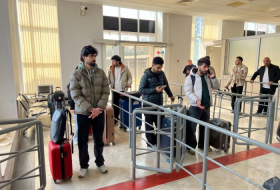
Evacuees stranded by a wildfire raging unchecked in and around the Canadian oil town of Fort McMurray made their way Friday through the heart of the city on the only highway out of the region, passing through the city`s charred ruins.
Evacuees in some 1,500 vehicles began making the 30-mile (50-km) trip at 4 a.m. (1000 UTC) in groups of 50 cars.
"It was scary," evacuee Sarah Babstock told the Edmonton Journal newspaper. "We came through with clothes over our mouths so we could breathe."
Fort McMurray - population 100,000 - has been completely evacuated since the authorities issued a mandatory evacuation order shortly before midnight Tuesday.
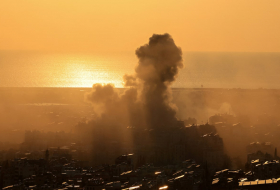
Now wind-whipped flames roaring through heavy timber and brush parched by a spring heat wave have engulfed nearly more than 101,000 hectares (250,000 acres) in western Canada.
The government has declared a state of emergency in Alberta, which is a province the size of France and home to the third-largest reserves of oil in the world behind Saudi Arabia and Venezuela.
Greg Pardy, an analyst with RBC Capital Markets, said that as much as 1 million barrels a day of oil may be offline, based on oil company announcements. That`s just over a third of Canada`s total oil sands output.
Firefighting efforts continue
More than 1,100 firefighters are battling 49 separate blazes across the province - seven of them classified as out of control.
Alberta fire department senior manager Chad Morrison said the effort to contain the fires would likely take weeks.
"Right now, we do really need some rain, no question about it," Morrison said. "And even once we get rain, there`s still going to be a lot of fire out there."
"There`s a high potential that the fire could double in size by the end of tomorrow," he said.
Alberta Premier Rachel Notley said damage to Fort McMurray was extensive.
"The city of Fort McMurray is not safe to return to, and this will be true for a significant period of time," she said Friday. Officers of the Royal Canadian Mounted Police would secure and protect what was left of the town, she added.
The city`s downtown remains largely intact and firefighters are working to save as many residential areas as possible.
"We`ve been able to hold the line for the most part in those residential areas," Notley said.
The blaze, the largest of 40 wildfires burning across the province of Alberta, has forced some 88,000 residents to flee for safety, and has threatened two oil sands production sites south of the city.
Unseasonably hot temperatures combined with dry conditions have transformed the boreal forest in much of Alberta into a tinder box. The cause of the fire hasn`t been determined, but he said it started in a remote forested area and could have been ignited by lightning.
Fort McMurray wildfire continues to spread
07 May 2016
Read: 997
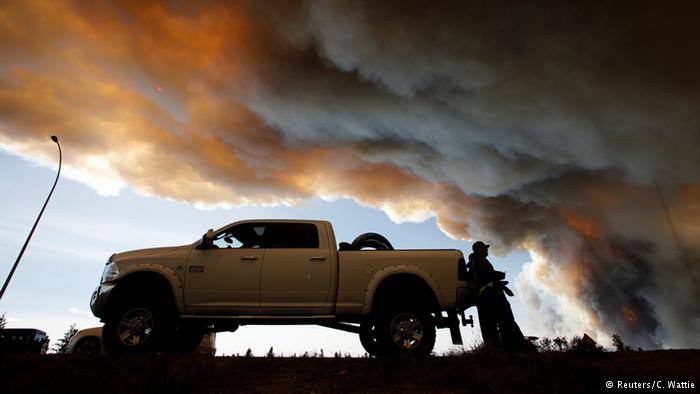
A convoy has begun moving stranded evacuees north of Fort McMurray amid a massive wildfire that officials fear could rapidly expand. Fire has engulfed tens of thousands of hectares and destroyed thousands of structures.


-1780923278.jpg&h=190&w=280&zc=1&q=100)