"Some outside actors want peace, others want to maintain instability, some support one side, and others support another side. Thus, there is no united position," said MacFarlane.
The expert thinks that the international community doesn`t make effective efforts to change the status quo.
"The Nagorno-Karabakh conflict appears to have returned to its previous state before the events of April," noted MacFarlane.
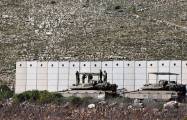
On the night of April 2, 2016, all the frontier positions of Azerbaijan were subjected to heavy fire from the Armenian side, which used large-caliber weapons, mortars and grenade launchers. The armed clashes resulted in deaths and injuries among the Azerbaijani population. Azerbaijan responded with a counter-attack, which led to liberation of several strategic heights and settlements.
"It is good that the military confrontation has receded, but the events do underline the fragility of the situation, and the possibility of accidental escalation," said the expert.
MacFarlane added also that the incidents of April were more serious than usual.
The conflict between the two South Caucasus countries began in 1988 when Armenia made territorial claims against Azerbaijan. As a result of the ensuing war, in 1992 Armenian armed forces occupied 20 percent of Azerbaijan, including the Nagorno-Karabakh region and seven surrounding districts. The 1994 ceasefire agreement was followed by peace negotiations.
`Int
25 May 2016
Read: 1445
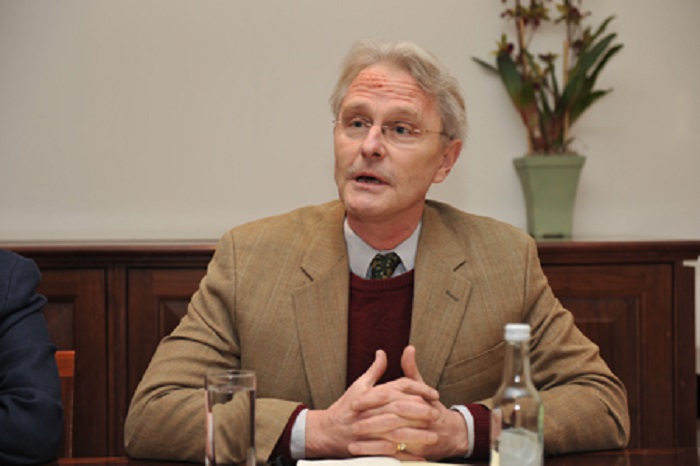
The international community has no united position on the settlement of Armenia-Azerbaijan Nagorno-Karabakh conflict, Neil MacFarlane, professor at St Anne`s College of the Oxford University, told May 25.

-1780923278.jpg&h=190&w=280&zc=1&q=100)