A new medical device has been put forward by Google that can be implanted beneath a person’s skin in order to carry out diagnostic tests. The patent, first spotted by Deepak Gupta at PatentYogi, was published by the U.S. Patent and Trademark Office and describes “a system for measuring and/or monitoring an analyte present in interstitial fluid in skin”—in other words, an implantable medical device.
Sign up Sign up to our daily newsletter for up to date global news and features.
The device could potentially transform the way that blood diagnostic tests are performed, eliminating the need for time-consuming trips to the doctor. The subdermal implant described by Google is capable of monitoring the blood and sweat of a wearer and transmit the results through an antenna to a companion device.
The skin-implantable sensor could potentially work alongside a smartwatch or smartphone to deliver real-time updates of a wearer’s medical condition.
Google’s patent is part of a growing trend of diagnostic devices and wearables that directly monitor people’s health. Earlier this year, a new type of flexible skin patch made of the “wonder material” graphene was created that can detect the glucose levels of diabetics and deliver drugs if required.
The electronic ‘ graphene tattoo’, developed by researchers at Seoul University in Korea and U.S. electronics firm MC10, offers an alternative method to finger-prick tests that are currently used by sufferers of diabetes. If high levels of glucose are detected by the patch, microneedles are triggered to deliver the drug metformin to stabilize blood sugar levels.
Under-the-skin device in Google patent promises doctor-less medical monitoring
06 October 2016
Read: 955
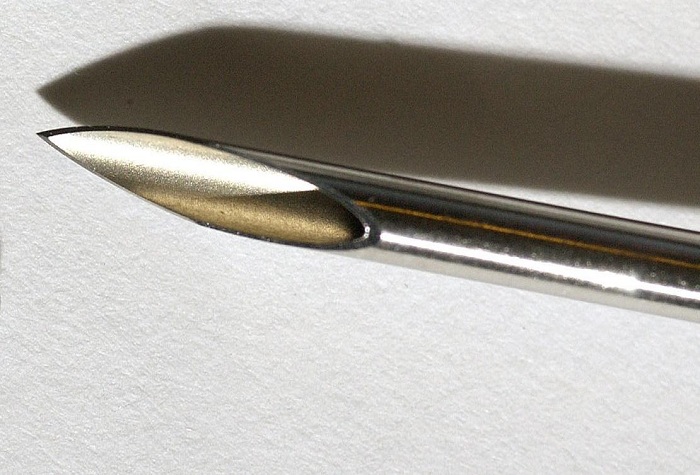
Google is everywhere—from smartphones in your pocket to thermostats in your home—but now the internet giant is trying to get under your skin. Literally.



-1780923278.jpg&h=190&w=280&zc=1&q=100)