Nationalist-backed Krasimir Karakachanov is placed third by some of the polls, and support for some of the "outsiders" have gained momentum with bigger public support. Other prominent candidates include former Energy Minister Traycho Traykov, nominated by right-wing Reformist Bloc coalition (the junior ally in PM Boyko Borisov`s government) and ex-Deputy PM and Labour Minister Ivaylo Kalfin, whose ABV party withdrew from the cabinet earlier this year.
The runoff, on November 13, is expected to be a close race, with some surveys predicting a win for Radev.
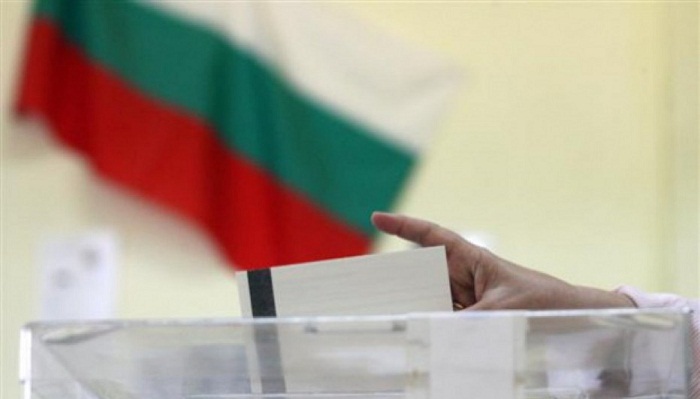
Voters have to choose their favourite among 21 candidates and in line with eleventh-hour changes to the Electoral Code, compusory voting and a "protest" option in the ballots. Those who have no preference for a candidate can tick "I Do Not Support Anyone". Not voting in two consecutive elections will result in deregistration from the electoral roll, under the new laws.
Incumbent Rosen Plevneliev is not running for a second term, but has not ruled out doring so later.
Some 6.83 million Bulgarians are eligible to vote, with nearly 12 500 polling stations opened by election authorities.
Voting in Bulgaria begins at 07:00 local time (EET) and continues until 20:00, but may be extended by 21:00 if there are still people waiting to cast ballots.
Queues are expected in front of polling stations abroad, mainly in the UK and Turkey. The run-up to the election was marked by a last-minute change in the rules of expat voting. There is a cap on the number of polling stations outside the EU, their number not exceeding 35 - a move election authorities warn may cause delays in Turkey and the United States where large Bulgarian communities live.
Bulgaria is a parliamentary republic, but the head of state`s office is more than ceremonial, with the President having a range of powers such as representing Bulgaria in international relations, vetoing legislation, and creating caretaker cabinets.
More about:

-1780923278.jpg&h=190&w=280&zc=1&q=100)